
“The ocean is home to many lives; our duty is to keep that home safe.”

Rehabilitation and Restoration

Fifan Foundation is committed to restoring and rehabilitating degraded marine ecosystems in the Banyak Islands, particularly seagrass beds and coral reefs. These ecosystems play an important role in supporting marine biodiversity, protecting coastlines, providing nursery grounds for marine species, and strengthening the resilience of coastal communities.

Through field-based restoration, innovation, scientific monitoring, and community participation, Fifan Foundation works to recover damaged habitats and improve the ecological function of important marine ecosystems.

Seagrass 

Seagrass ecosystems are vital coastal habitats that support marine life, stabilize sediments, reduce coastal erosion, and contribute to blue carbon storage. However, in several areas of the Banyak Islands, seagrass ecosystems have experienced degradation and require active restoration efforts.

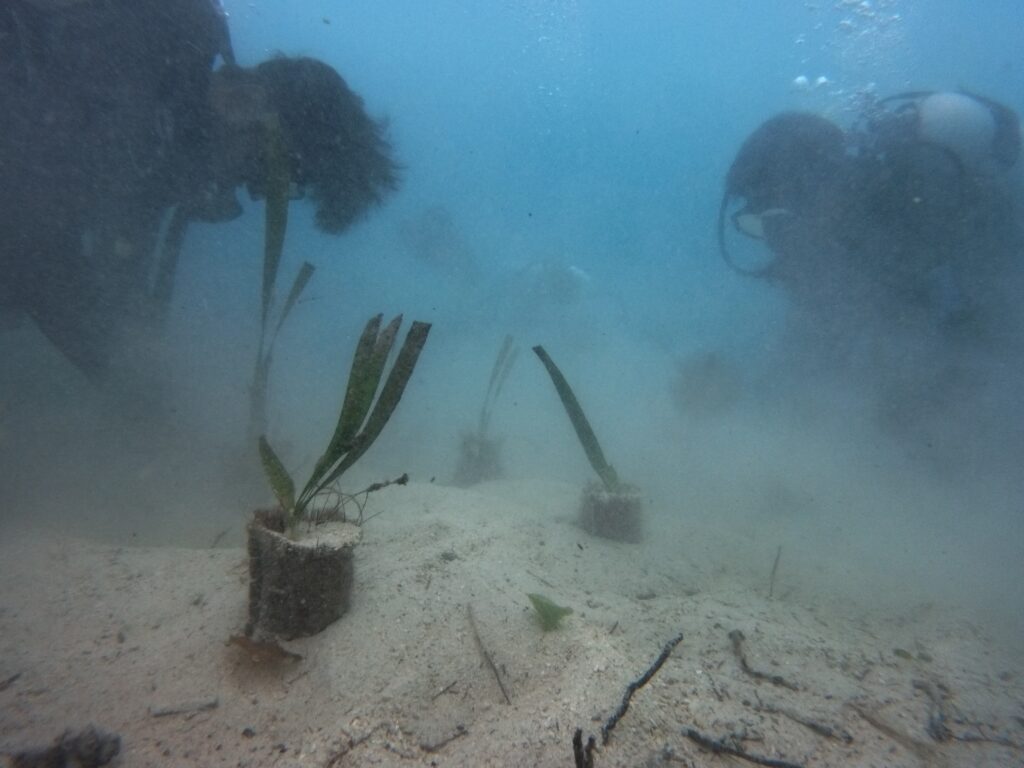
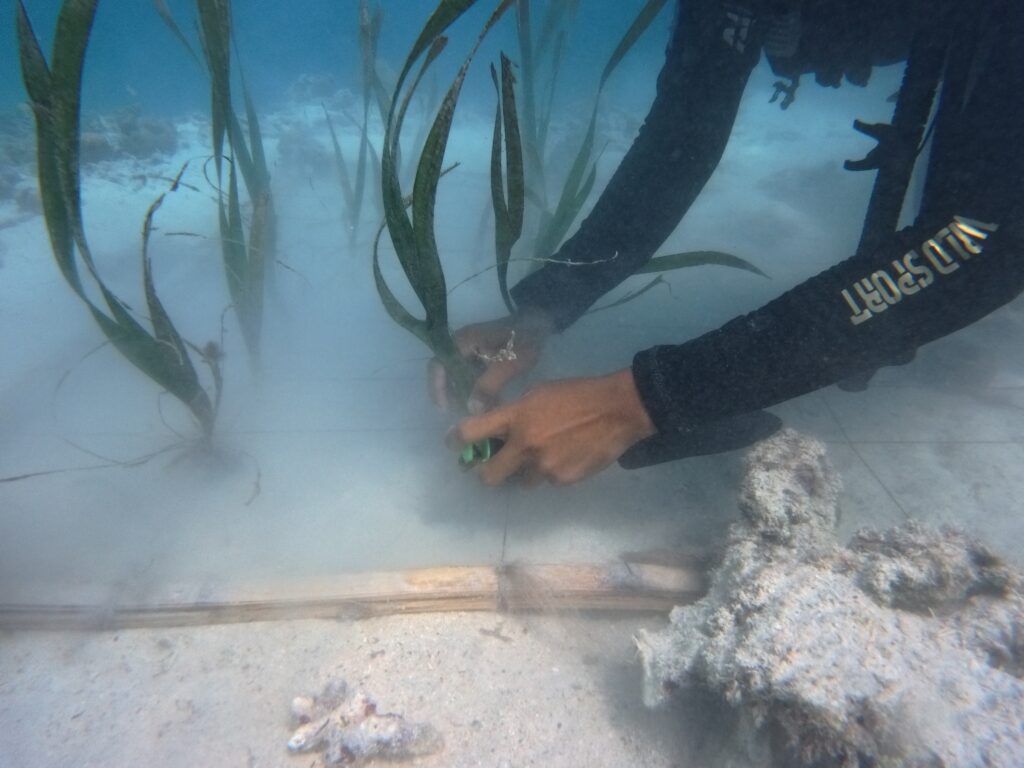
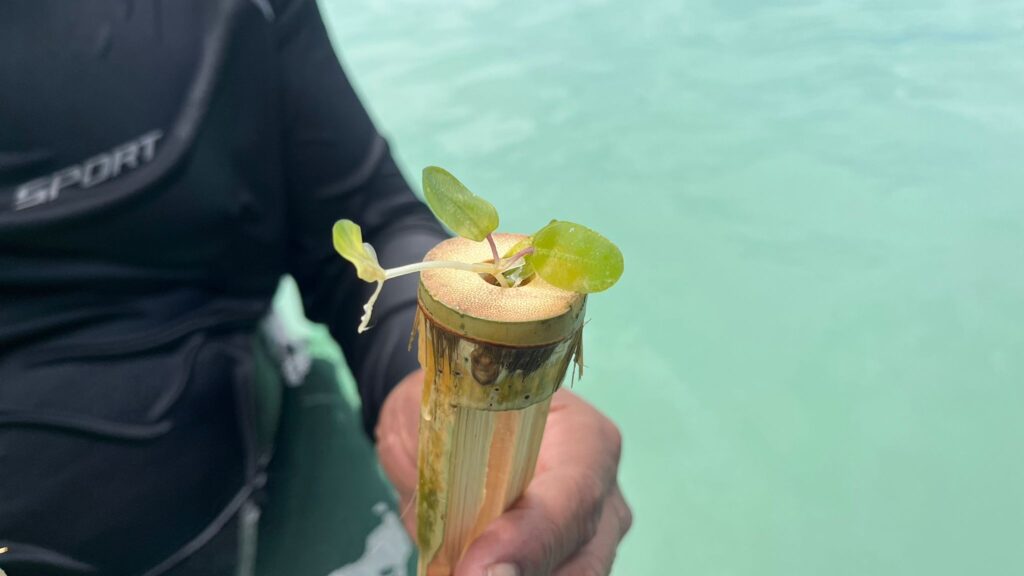
From January 2025 to February 2026, Fifan Foundation carried out seagrass restoration activities covering an area of 270 square meters. The restoration recorded a survival rate of 56%, using planting methods such as bamboo staking and tiny coconut pocket techniques.

The seagrass species used in the restoration include:

Cymodocea serrulata, Cymodocea rotundata, Enhalus acoroides

In addition to replanting, Fifan Foundation is also developing seagrass nursery methods for selected species. These nurseries are expected to serve as natural seedling stocks for future restoration and rehabilitation activities in areas where seagrass ecosystem functions have declined.

Partnerships with research institutions and academic partners continue to be strengthened to develop more practical nursery techniques and improve seagrass survival rates in restoration sites.

Coral Reef 

Coral reefs are among the most biodiverse marine ecosystems and provide essential benefits for fisheries, tourism, coastal protection, and marine life. In the Banyak Islands, Fifan Foundation continues to develop innovative approaches to rehabilitate damaged coral reef ecosystems.

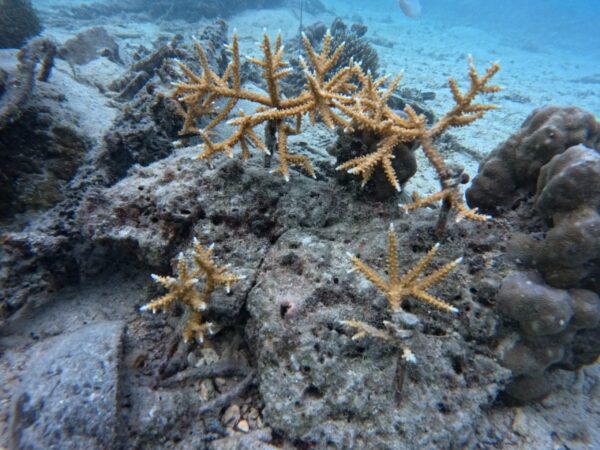
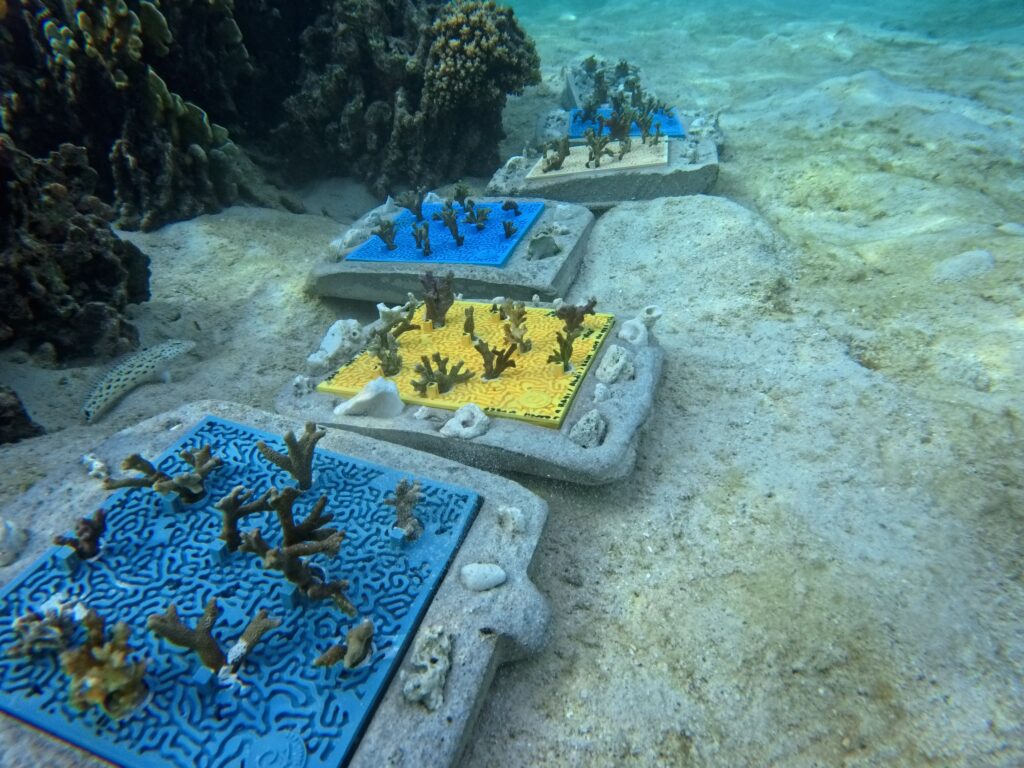
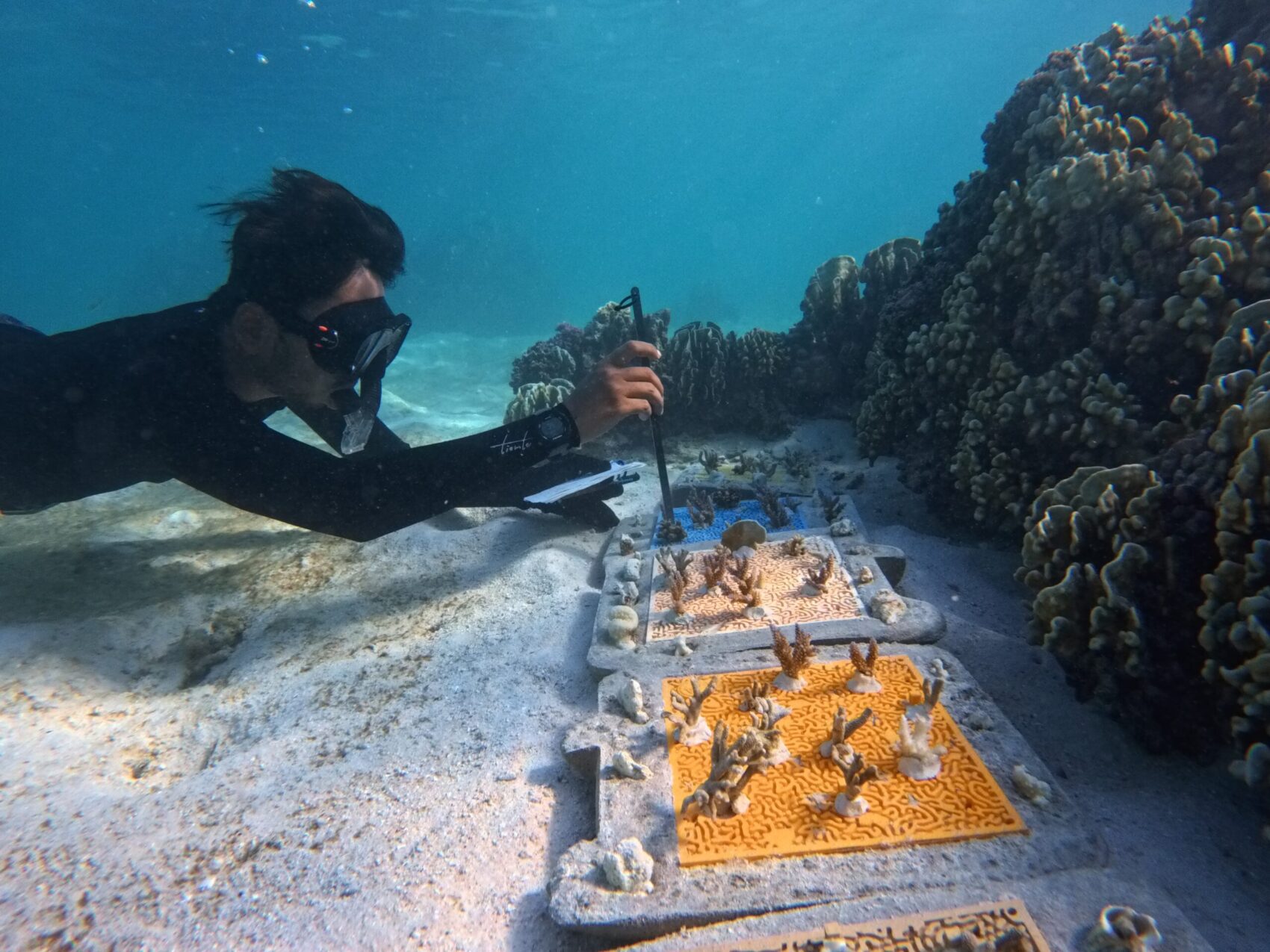
Since 2024, the foundation has been rescuing naturally broken coral fragments as well as coral fragments damaged by fishing activities. More than one thousand coral fragments have been transplanted onto both natural and artificial substrates.

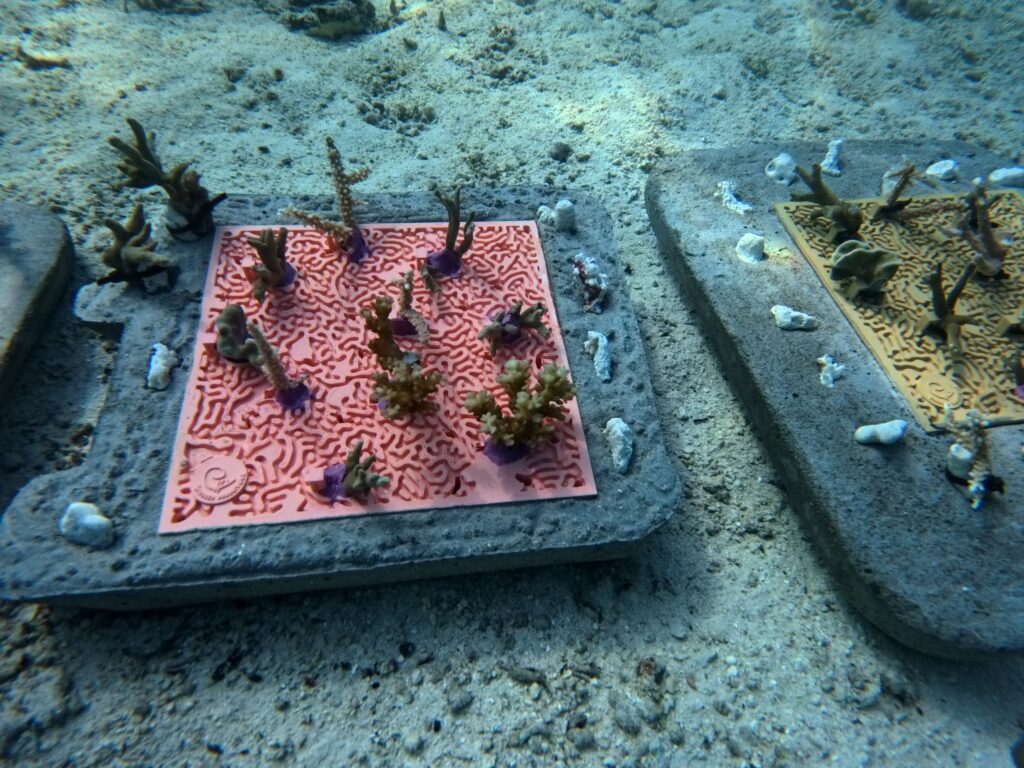
One of the current innovations being developed is the use of 3D-printed relocation substrates made from biodegradable corn fiber. This method is designed to provide a more practical and environmentally friendly medium for relocating coral fragments.

Initial results have shown positive outcomes, with relocated coral fragments reaching a survival rate of more than 90% through regular monitoring and maintenance.

Fifan Foundation will continue to develop and improve this method so that local communities can actively participate in coral reef rehabilitation around conservation areas.

Innovation for Ecosystem Recovery

Rehabilitation and restoration require more than planting or transplanting. They require continuous learning, adaptive methods, and innovation based on field conditions. Through seagrass restoration and coral reef rehabilitation, Fifan Foundation combines traditional field techniques, scientific approaches, and emerging technologies. The use of bamboo staking, coconut pocket methods, seagrass nurseries, coral fragment rescue, and biodegradable 3D-printed substrates reflects the foundation’s commitment to finding practical and sustainable solutions for marine ecosystem recovery. These innovations are expected to increase restoration success, reduce pressure on natural habitats, and create opportunities for community-based ecosystem rehabilitation.
Community Participation

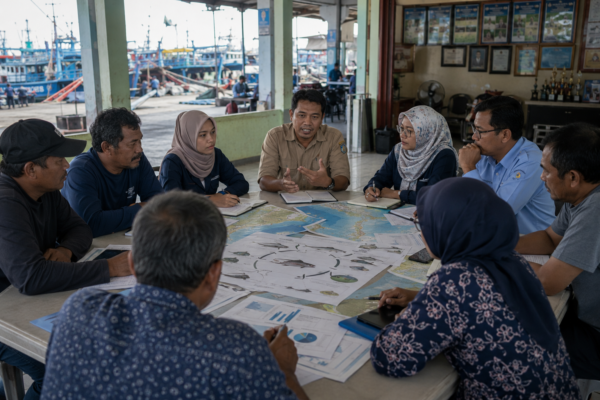
Local community involvement is an important part of every restoration activity. Communities are not only beneficiaries, but also key partners in protecting, maintaining, and restoring marine ecosystems. By involving local communities in seagrass planting, coral fragment relocation, monitoring, and maintenance, Fifan Foundation helps build awareness, technical capacity, and a stronger sense of ownership over marine conservation efforts. Community participation also ensures that restoration activities are more sustainable, locally accepted, and connected to the long-term needs of coastal communities.

Our Commitment

Fifan Foundation is committed to restoring degraded marine ecosystems through science-based action, innovation, collaboration, and community participation.

We believe that healthy seagrass beds and coral reefs are essential for marine biodiversity, fisheries productivity, coastal protection, climate resilience, and the well-being of island communities.

Through seagrass restoration, coral reef rehabilitation, nursery development, coral fragment rescue, and innovative restoration technologies, Fifan Foundation continues to support the recovery of marine ecosystems in the Banyak Islands.

Our commitment is to ensure that restoration is not only carried out as a short-term activity, but developed as a long-term conservation effort that strengthens ecosystem health, empowers communities, and protects marine life for future generations.

Scroll to Top