
Monitoring and Research
Monitoring and Research form the foundation for informed conservation decision-making. Through scientific data collection and regular field monitoring, Fifan Foundation can better understand ecosystem conditions, species populations, threats, and the impact of conservation programs.
This program supports evidence-based planning, adaptive management, and long-term conservation strategies. The data gathered through monitoring and research also helps strengthen policy advocacy, community education, conservation area management, and field response activities.
By combining scientific methods, community participation, and field-based observation, Fifan Foundation contributes to the protection of marine biodiversity, sustainable coastal resource management, and the development of practical conservation strategies.
Sosial Economic
Socio-economic research is conducted to understand the relationship between coastal communities and marine resources. The aspects studied may include livelihoods, community dependence on natural resources, local perceptions, economic benefits, conservation awareness, and the impact of conservation programs on community welfare.
This research helps ensure that conservation programs are designed in a way that supports both ecosystem protection and the well-being of local communities.
Participatory Bycatch Survey
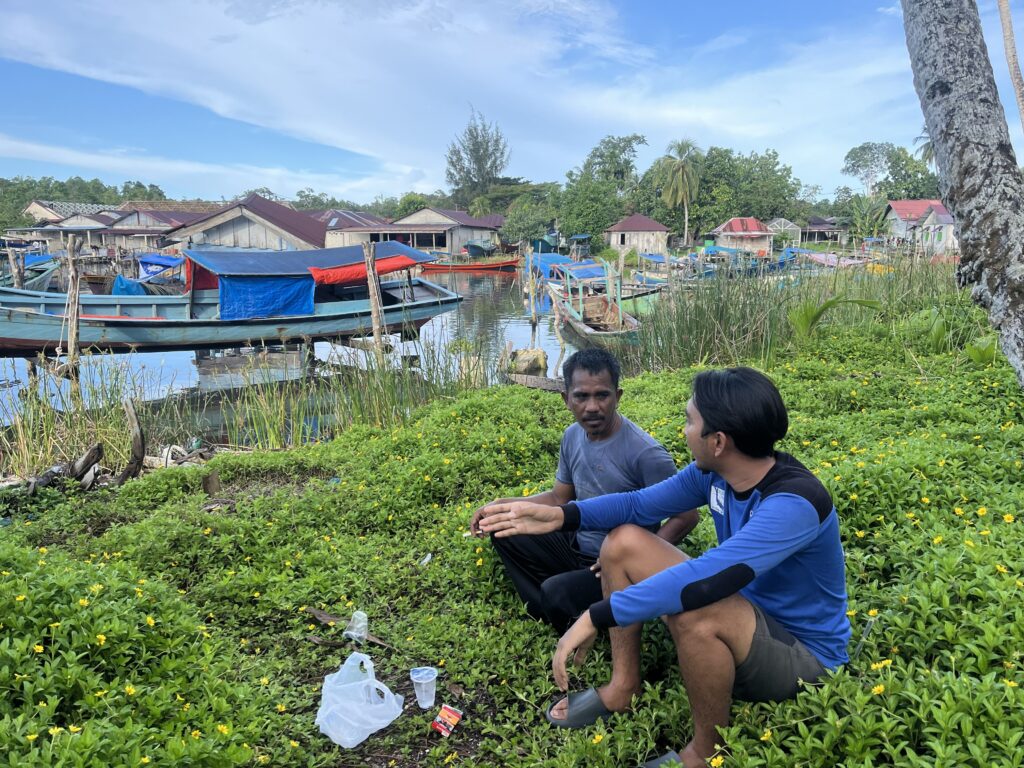
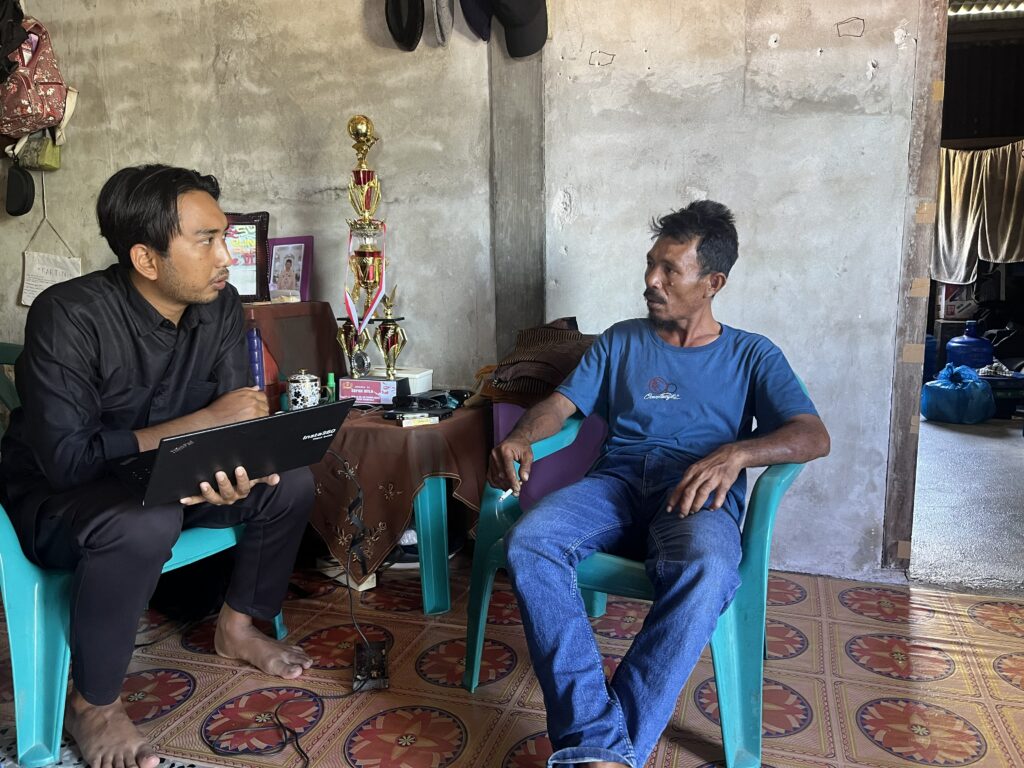
Fifan Foundation conducted a participatory socio-economic survey on bycatch involving protected marine species. This survey aimed to identify the types of protected marine species that are often accidentally caught in fishing nets and hooks.
The survey was conducted with fishers on Haloban Island, West Banyak Islands District, Aceh Singkil. A total of 71 respondents participated in the survey, all of whom were fishers from Haloban Village and Asantola Village.
Based on the interviews, 23.9% of respondents stated that they had accidentally caught sea turtles as bycatch. However, they also reported that the turtles were released back into the sea.
This survey provides important information on fishing interactions with protected species and helps support education, bycatch reduction strategies, and better wildlife handling practices among fishing communities.
Marine Protected Area
Marine Protected Area monitoring is carried out to assess ecosystem health, habitat conditions, biodiversity, and the effectiveness of conservation area management. Through regular monitoring, Yayasan Fifan Laut Nusantara supports the collection of scientific data that can be used to strengthen conservation planning, improve management strategies, and ensure the long-term protection of marine and coastal ecosystems.
This program focuses on important marine habitats such as coral reefs and seagrass ecosystems, which play a vital role in supporting biodiversity, fisheries productivity, coastal protection, and climate resilience.
Coral Reef Inventory and Monitoring
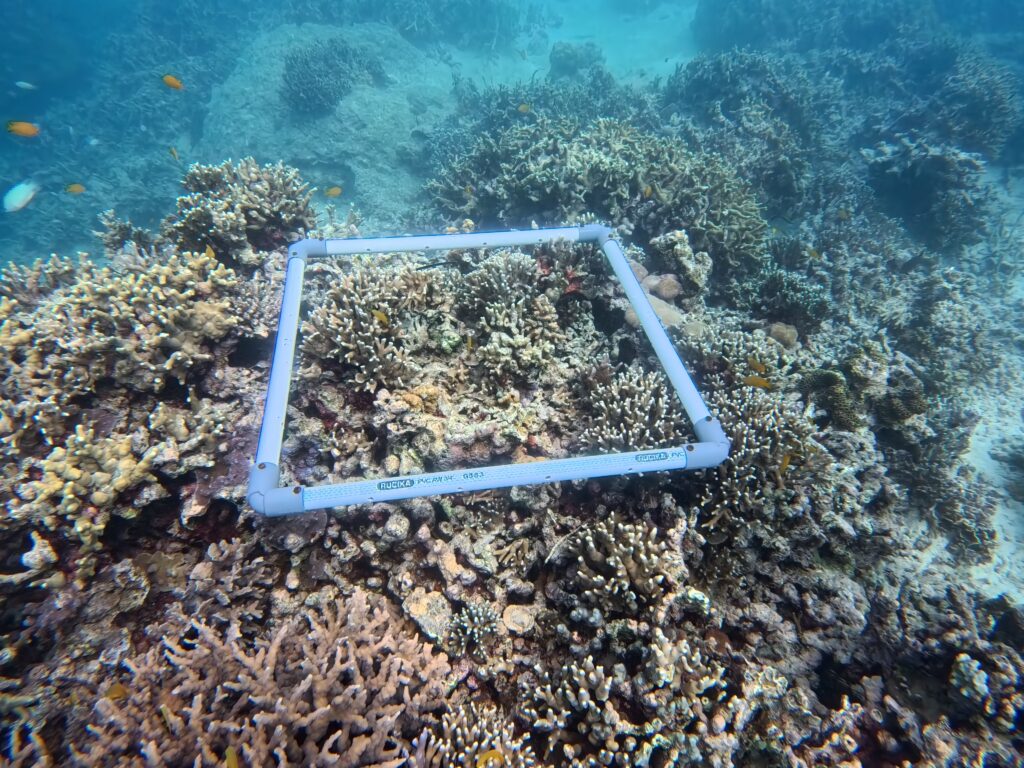
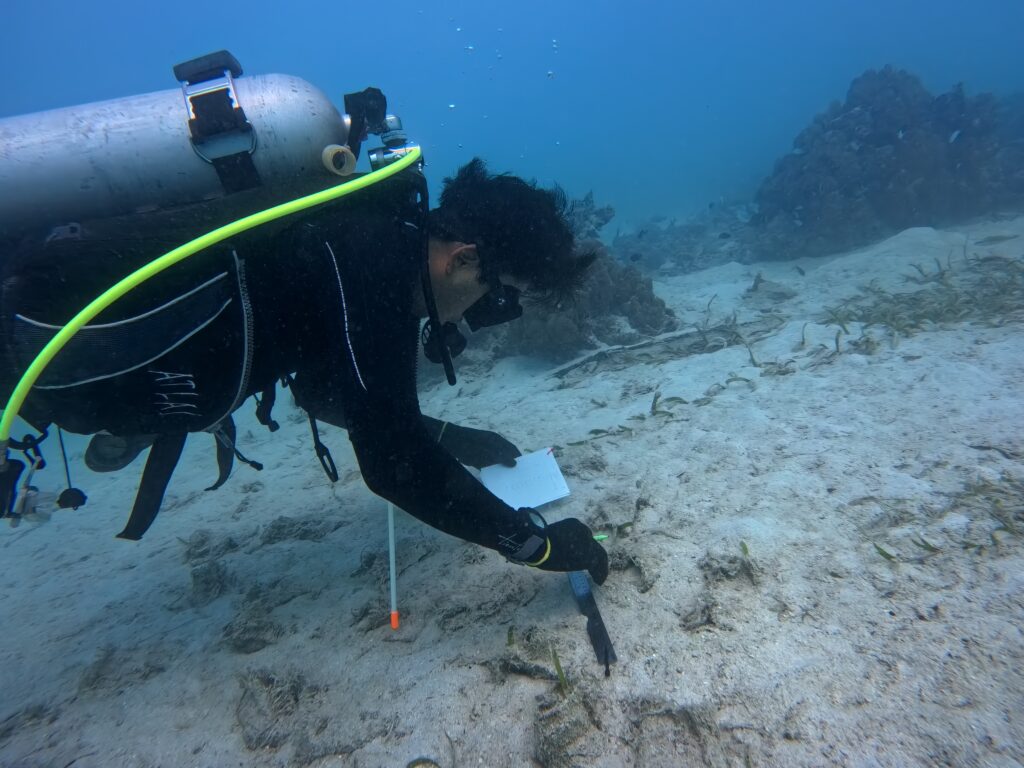
In June 2025, Fifan Foundation conducted coral reef inventory and monitoring using the Point Photo Coral Reef method, referring to the Coral Point Count approach. This method is used to calculate coral cover percentage and assess coral reef health.
The monitoring combines underwater photo transects with software-based analysis, commonly known as CPCe, to identify seabed cover based on sample points. This approach allows the foundation to collect more accurate and measurable data on coral reef conditions.
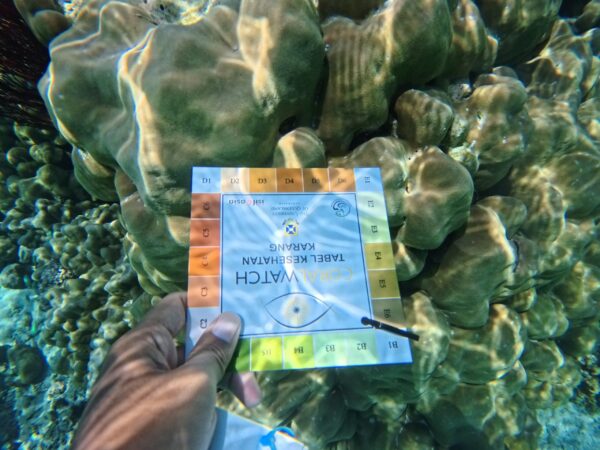
Fifan Foundation also carries out citizen science activities to monitor coral reef health and detect coral bleaching. This initiative serves as part of climate change mitigation and early warning efforts, especially as ocean warming and climate-related pressures continue to affect coral reef ecosystems.
Coral reef monitoring is conducted regularly twice a year as part of data collection efforts to support conservation area management. The activities are carried out together with communities in the West Banyak Islands.
Seagrass Ecosystem Inventory and Monitoring
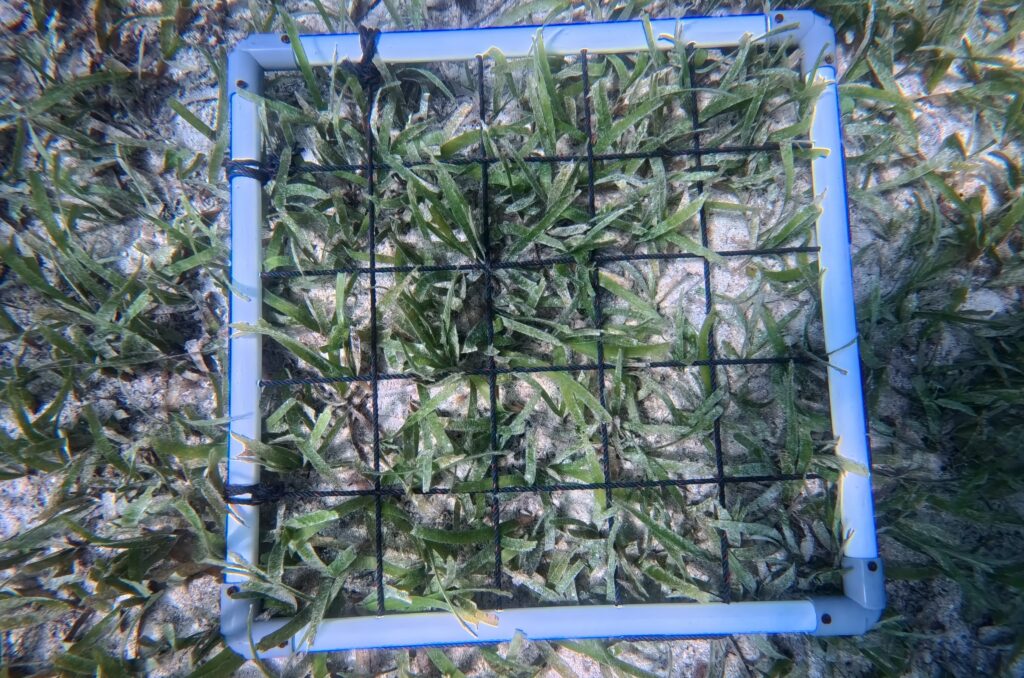
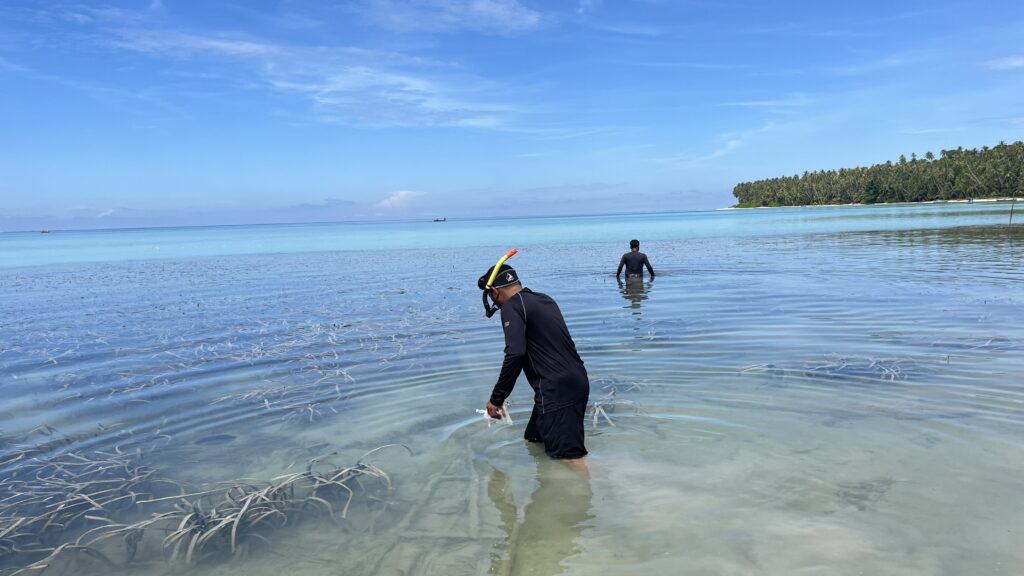
Seagrass ecosystem inventory and monitoring began in May 2025. Fifan Foundation initiated this activity to assess seagrass ecosystem health, species abundance, and habitat cover.
The standard methods used include Quadrat Transects with 50 x 50 cm frames, combined with Line Intercept Transects drawn parallel or perpendicular to the coastline to capture variations in seagrass zonation.
In addition, Fifan Foundation also conducts seagrass belt transect surveys down to 10 meters underwater using SCUBA. This method helps provide a broader understanding of seagrass distribution and condition across different depths.
Seagrass monitoring is conducted regularly twice a year together with local communities in the West Banyak Islands. Periodic monitoring is important to track changes in ecosystem conditions over time and provide reliable data for conservation area management in the Banyak Islands.
Deep Coral Reef Monitoring
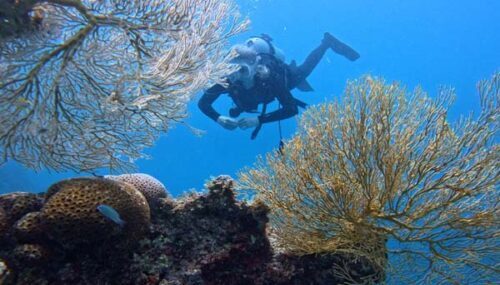
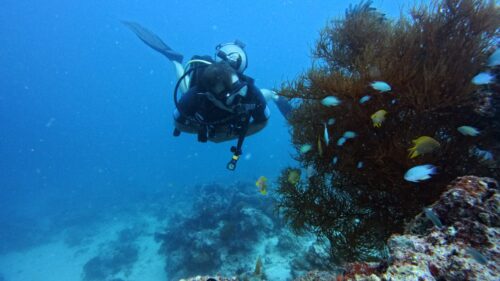
In addition to monitoring shallow coral reefs at depths of 1–10 meters, Fifan Foundation also conducts point-to-point coral reef monitoring in deeper marine ecosystems at depths of 10–30 meters.
This activity is carried out together with Tailana Diving Resort. Routine diving and underwater observation activities have been conducted since January 2024. The monitoring results show that the underwater biodiversity and coral reef conditions in the area remain healthy, diverse, and visually rich.
The continuation of this monitoring reflects Fifan Foundation’s commitment to supporting conservation area management in the Banyak Islands. By working together with local communities and field partners, the foundation helps ensure that marine ecosystem conditions are continuously observed, documented, and protected.
Marine Endangered Species Monitoring
Endangered marine species monitoring is essential to understand the presence, distribution, movement patterns, and population conditions of protected marine wildlife. This information helps conservation managers design better protection strategies, identify priority habitats, and strengthen coordination between conservation areas.
Sea Turtle Migration Study
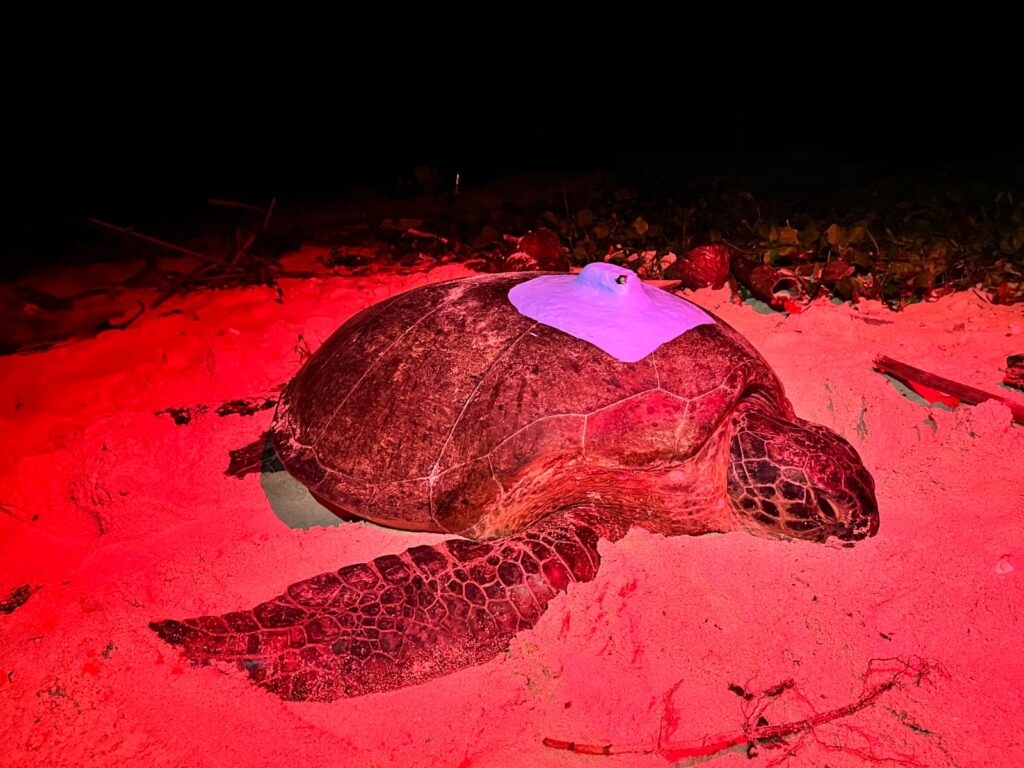
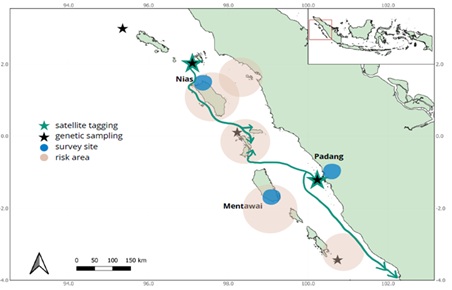
In June 2023, Fifan Foundation conducted a sea turtle migration study in the Banyak Islands using satellite tagging technology. This study provided important information on the connectivity of sea turtle populations across distant marine areas.
The satellite tracking results showed that two turtles from Bangkaru Island and one turtle from TWP Pieh migrated to the same area in South Nias, particularly around Tanahmasa, Tanahbala, and Pini Islands. The tracked turtles travelled up to 2,552 km over 502 days.
This population study became one of the first major research activities conducted by Fifan Foundation in mid-2023. The findings provide valuable data on sea turtle connectivity across the western Sumatra region and support better management of conservation areas within the marine ecoregion.
By understanding turtle migration routes, conservation efforts can be improved not only at nesting or release sites, but also across the wider marine corridors used by these species.
Dugong Population Monitoring
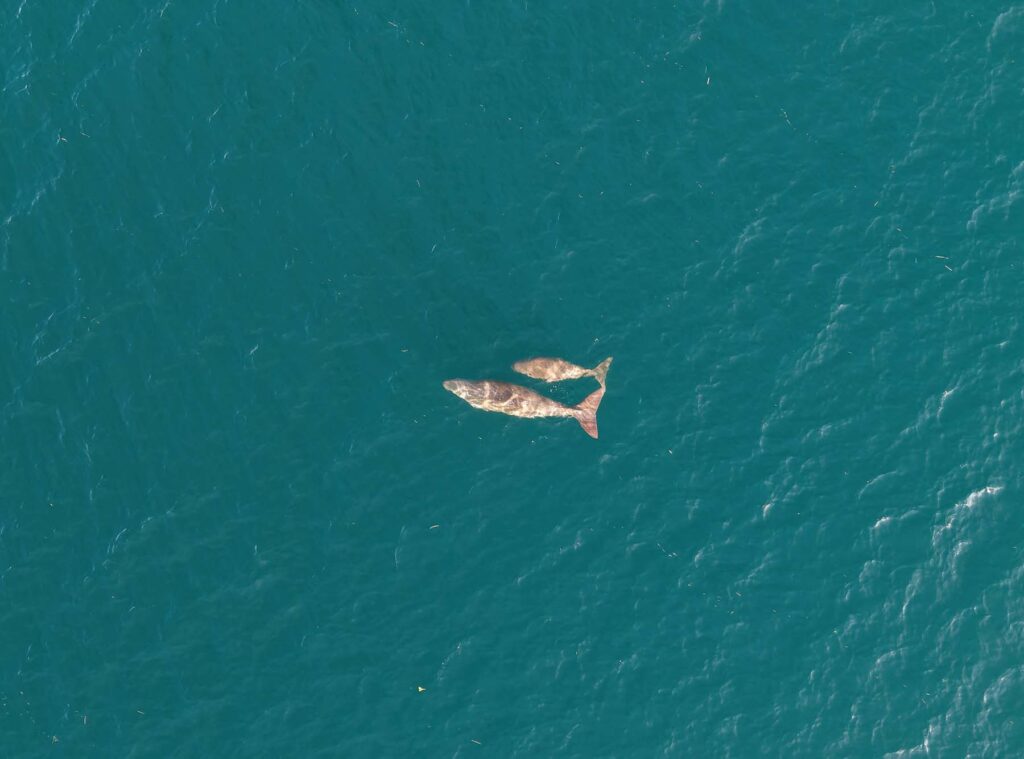
The dugong (Dugong dugon) is a highly threatened and legally protected marine mammal. Its presence is closely linked to healthy seagrass ecosystems, making dugongs an important indicator species for marine habitat condition.
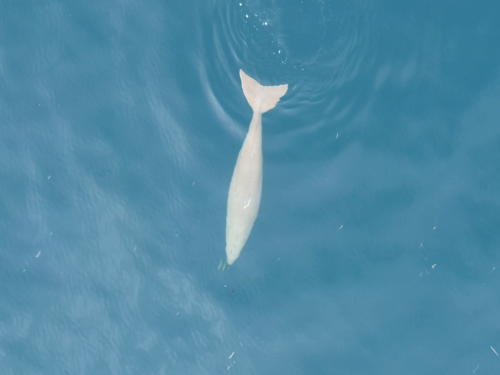
In April 2026, direct visual monitoring was carried out to identify dugong presence and support population assessment in the Banyak Islands. In line with the National Action Plan for Dugong Conservation 2026–2030, visual observation is one of the scientifically recommended methods for monitoring dugong populations.
To support this effort, Fifan Foundation , together with the National Research and Innovation Agency, BRIN, planned dugong population monitoring training through field-based visual observation methods. This activity aimed to strengthen the capacity of field teams and local stakeholders in identifying, observing, and recording dugong presence in the Banyak Islands.
The monitoring results indicate that the association between dugongs and seagrass ecosystems in the Banyak Islands remains strong. Dugongs are still found in this area, showing that the seagrass ecosystem continues to provide important habitat for this charismatic marine species. To date, four individual dugongs have been recorded through monitoring activities.
These findings are highly valuable for conservation area managers, particularly in supporting habitat protection, species monitoring, and long-term marine biodiversity conservation in the Banyak Islands.
Carbon Environmental Service
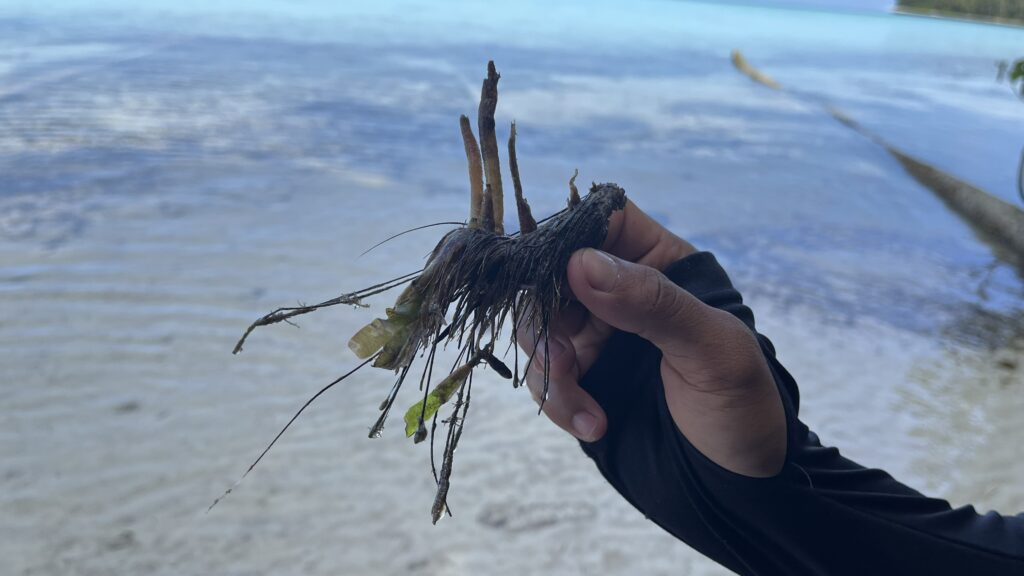
Coastal and marine ecosystems provide important environmental services, including their role in climate change mitigation. Seagrass ecosystems, in particular, are able to absorb carbon dioxide through photosynthesis and store carbon in their biomass and sediments.
In addition to carbon storage, seagrass root systems help reduce coastal erosion and abrasion. Seagrass ecosystems also support coastal fisheries productivity by providing habitat, feeding grounds, and nursery areas for various marine species.
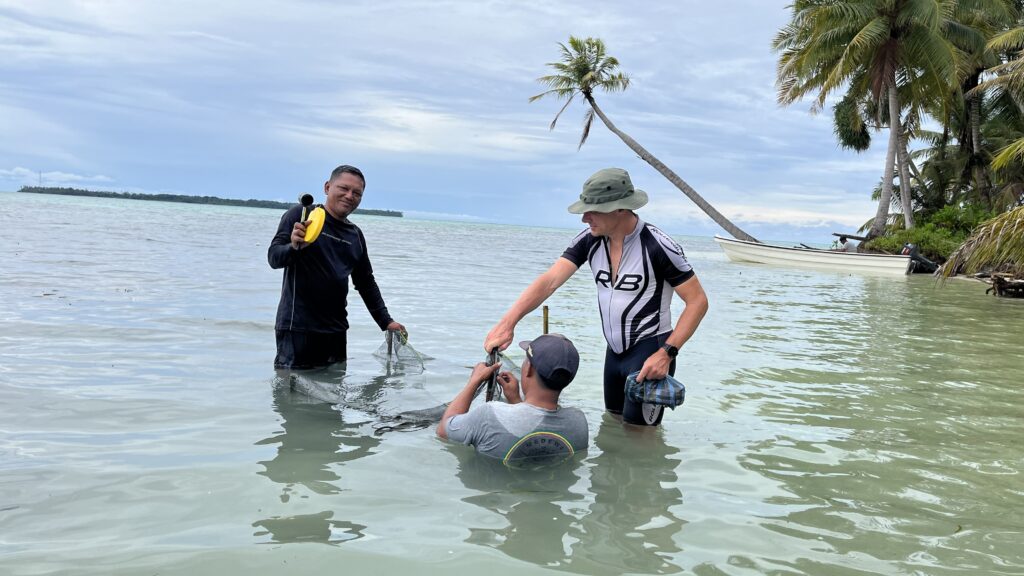
In February 2025, Fifan Foundation conducted a carbon assessment survey in seagrass ecosystems in the Banyak Islands. The survey found that seagrass ecosystems in the Banyak Islands cover more than 30 hectares and are distributed across several small islands.
The carbon assessment data serves as an important baseline for conservation area managers in developing policies and management strategies for blue carbon ecosystems. This information can also support future initiatives related to climate change mitigation, ecosystem-based adaptation, and sustainable conservation financing.
Our Commitment
Fifan Foundation is committed to strengthening marine and coastal conservation through science-based monitoring, long-term research, and community participation.
We believe that effective conservation must be built on reliable data, continuous field observation, and strong collaboration with local communities, government institutions, researchers, and conservation partners. Through regular monitoring of coral reefs, seagrass ecosystems, endangered marine species, and blue carbon potential, Fifan Foundation supports better decision-making for Marine Protected Area management in the Banyak Islands.
Our commitment is not only to collect data, but also to transform that data into meaningful conservation action. The findings from sea turtle migration studies, dugong population monitoring, coral reef and seagrass assessments, socio-economic surveys, and seagrass carbon research help guide habitat protection, species conservation, policy development, and sustainable coastal resource management.
By combining scientific methods, local knowledge, citizen science, and adaptive management, Fifan Foundation continues to support healthier marine ecosystems, stronger protection for endangered species, and more resilient coastal communities for future generations.