
Collaborative Management
Collaborative Management is one of Fifan Foundation’s key approaches in supporting the sustainable management of conservation areas, coastal resources, and marine biodiversity. This approach emphasizes joint action among communities, government agencies, conservation organizations, academics, and other relevant stakeholders.
Through collaborative management, Fifan Foundation encourages inclusive decision-making, shared responsibility, and stronger coordination among partners. This ensures that conservation efforts are not only ecologically effective, but also socially fair and beneficial for coastal communities who depend on marine and coastal resources for their livelihoods.
By integrating community needs, scientific data, policy support, and field-based conservation practices, collaborative management helps strengthen long-term protection of marine ecosystems while supporting sustainable development in coastal and small island areas.
Working Group
The Conservation Working Group serves as a coordination platform to design, implement, and evaluate conservation programs. This working group may involve government institutions, local communities, academics, NGOs, and the private sector.
Through this platform, stakeholders can share information, align strategies, identify challenges, and develop joint solutions. The working group strengthens collaborative area management and ensures that conservation actions are more organized, inclusive, and impactful.
The presence of working groups and strategic partnerships also supports better coordination in marine biodiversity protection, blue carbon ecosystem management, sustainable fisheries, and community-based coastal resource management.
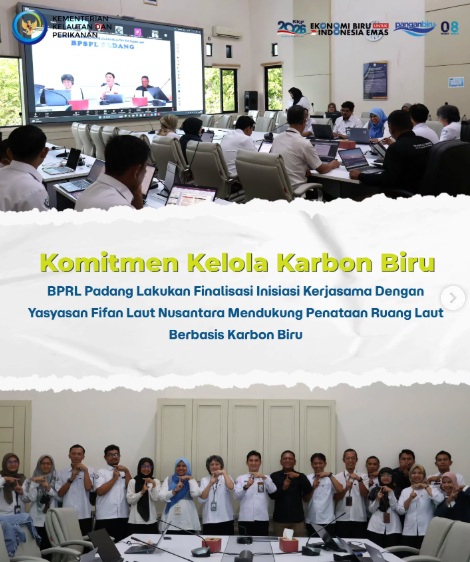
In addition, a cooperation plan initiated by BPRL Padang and Fifan Foundation was finalized at the office of Balai Penataan Ruang Laut Padang. This cooperation was developed to support marine spatial planning by optimizing the ecological function of blue carbon as an important element in climate change mitigation, while also conserving marine biodiversity within blue carbon ecosystems.
The planned scope of cooperation includes data and information provision, community assistance for coastal and small island communities, strengthening marine biodiversity management, as well as data sharing, publication, and information dissemination.
Through these partnerships, Fifan Foundation continues to strengthen coordination platforms that support collaborative area management, biodiversity protection, and sustainable use of coastal and marine resources.
On 24 April 2026, LKKPN Pekanbaru, now also known as Loka Pengelolaan Kelautan Pekanbaru, continued its partnership collaboration with Fifan Foundation through the program Management of Coastal and Marine Resources through Support for the Strengthening of Marine Biodiversity Conservation and Protection within the Working Area of Loka Pengelolaan Kelautan Pekanbaru.
The scope of this cooperation includes strengthening human resource capacity, managing protected and/or endangered aquatic species, supporting community-based coastal and marine ecosystem management, and conducting publication and information dissemination.
This partnership reflects a shared commitment to strengthening marine biodiversity protection and improving the effectiveness of conservation management through collaboration between government institutions and civil society organizations.
Policy Development
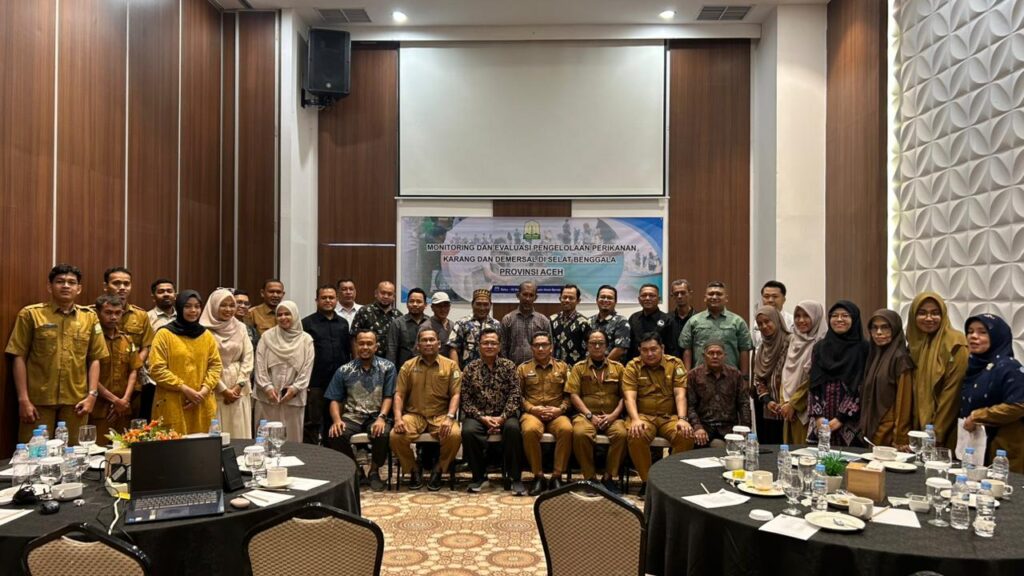
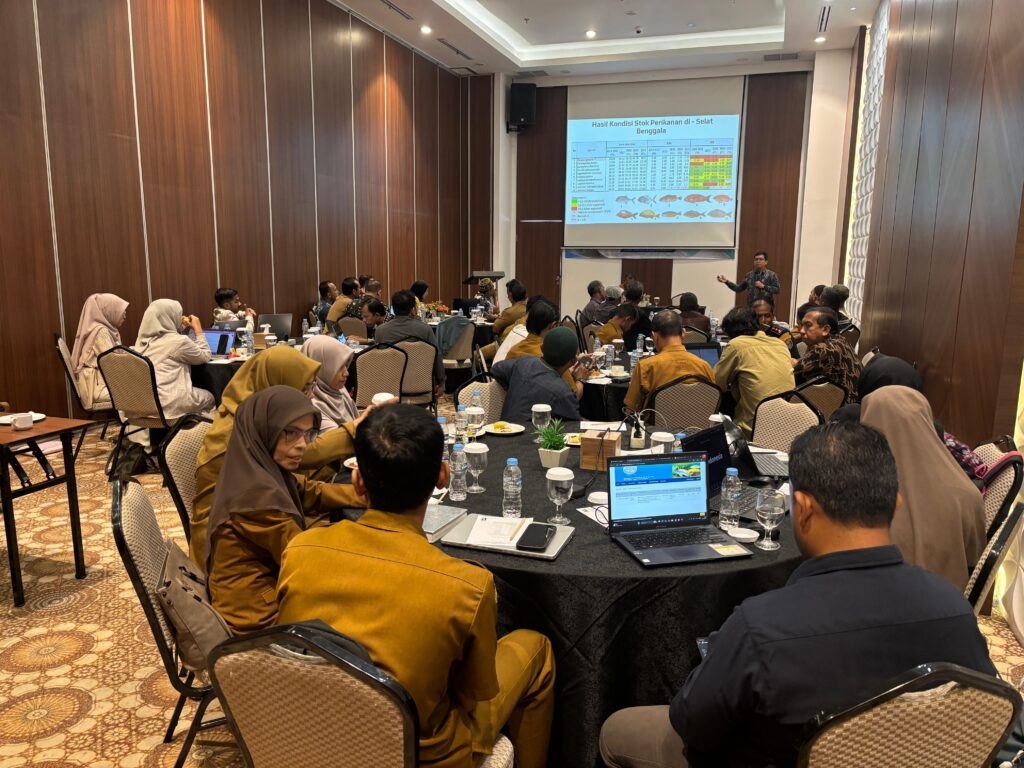
Fifan Foundation supports the development of conservation policies based on scientific data, local needs, and sustainability principles. This support includes policy recommendations, strengthening local regulations, and integrating conservation priorities into regional development planning.
One of the important collaborative platforms in this effort is the Aceh Scientific Forum for Sustainable Fisheries Management or Forum Ilmiah Pengelolaan Perikanan Berkelanjutan Aceh. This forum was established as a collaborative space that connects science, policy, and practical fisheries resource management in Aceh Province.
Institutionally, FIP2B Aceh received formal legitimacy through the Decree of the Head of the Aceh Marine and Fisheries Agency. In its first period, the forum was established through Decree Number 523/1839/3/2022, marking an important milestone in the local government’s recognition of the strategic role of scientific forums in supporting sustainable marine and fisheries development.
This establishment also reflects the commitment of the Aceh Marine and Fisheries Agency to integrate scientific research and recommendations into fisheries policy development.
Fifan Foundation, as one of the researchers involved in the forum, contributes to shaping the direction of sustainable fisheries policy in line with Governor Regulation Number 3 of 2023 concerning the Action Plan for Sustainable Fisheries Management in Aceh Province.
Through evidence-based policy support, Fifan Foundation helps ensure that marine and coastal protection is guided by clear regulations, strong governance, and practical implementation at the local level.
Sustainable Financing
Fifan Foundation also supports coastal community livelihoods through incentive-based programs, community empowerment, and sustainable economic initiatives. This effort aims to help local communities gain economic benefits while maintaining the health of marine and coastal ecosystems.
The foundation encourages livelihood initiatives that are aligned with conservation goals, such as sustainable fisheries, eco-friendly community enterprises, ecotourism, and other nature-based economic activities. By strengthening local livelihoods, conservation becomes more accepted, practical, and sustainable in the long term.
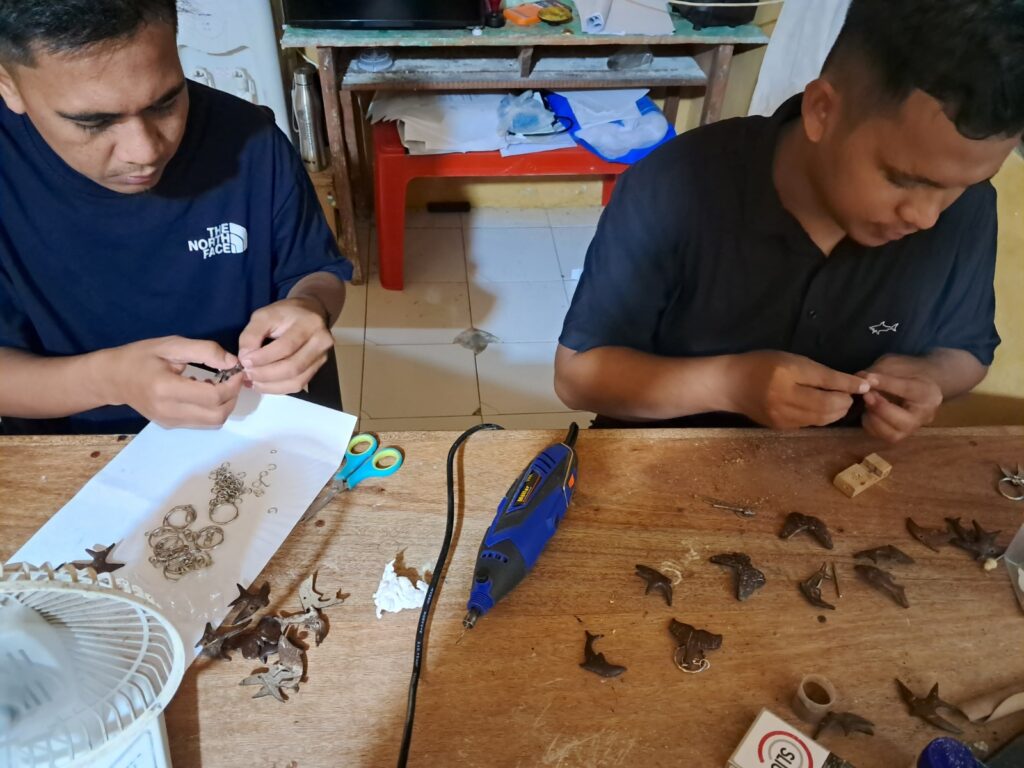
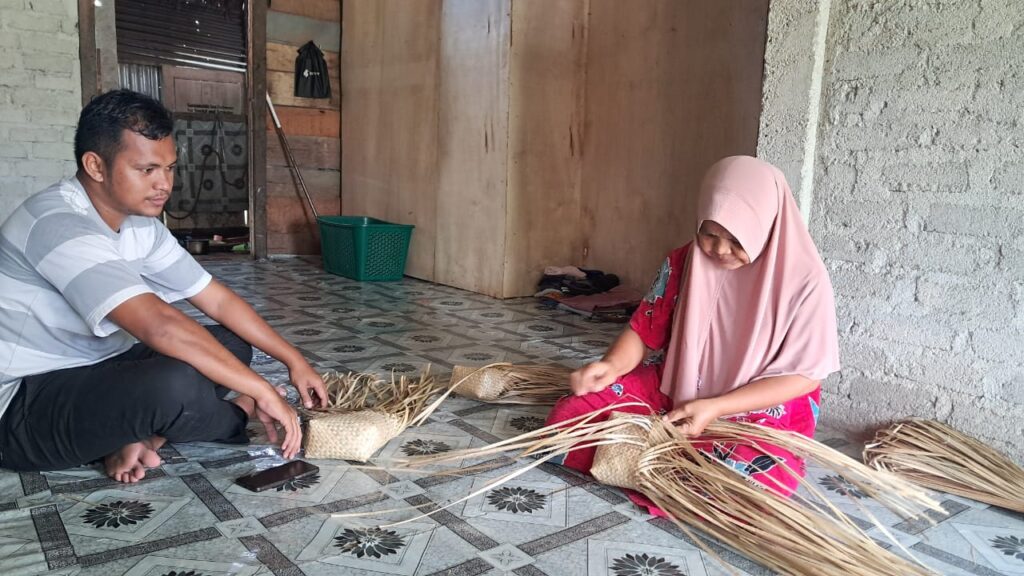
As part of sustainable financing efforts for communities living within conservation areas, Fifan Foundation has supported the development of alternative and creative economic activities. In early 2026, the foundation assisted the Pulau Haloban community in producing handicrafts made from coconut shells, pandan duri, and local grass materials found on Pulau Haloban.
These products are marketed domestically, with tourists serving as the main market. This initiative not only provides additional income opportunities for local communities, but also supports conservation area management through community-based economic resilience.
By promoting sustainable financing and alternative livelihoods, Fifan Foundation helps reduce pressure on marine resources while strengthening the role of communities as active conservation partners.
Our Commitment
Fifan Foundation is committed to strengthening collaborative marine and coastal management through partnerships, policy support, community empowerment, sustainable financing, and multi-stakeholder coordination.
We believe that conservation cannot be carried out by one institution alone. Effective marine and coastal protection requires shared responsibility, strong governance, scientific knowledge, and active community participation.
Through collaborative management, Fifan Foundation continues to support healthier marine ecosystems, stronger coastal communities, and more sustainable conservation practices across Indonesia’s coastal and island regions.